

This article has been written by Alessia J. Mingrone, Ph.D., Visiting Assistant Professor of Italian, Italian Language Program Coordinator “The George Washington University”
Venezuela’s Hostage Diplomacy
Venezuela is governed by a left-wing dictatorial regime that began under Hugo Chávez in 1999, inspired by Fidel Castro’s revolution in Cuba.
Upon Chávez’s death in 2013, Nicolás Maduro assumed power, maintaining his predecessor’s domestic and foreign policies while further intensifying the persecution of political opponents. His government has also sought the protection of other authoritarian regimes, including Russia, China, and Iran.
In recent years, China has attempted to expand its presence in Venezuela to exploit the country’s hydrocarbons and other mineral resources.
This growing influence has raised concerns within the United States about the potential construction of Chinese military facilities on Venezuelan soil. Washington, already under Biden, had imposed sanctions against Maduro; Trump further tightened restrictions through an executive order increasing tariffs on Venezuelan oil imports.
The conflict might escalate into a military clash, since the US has already sunk several drug traffickers’ boats off the country’s coast and has deployed the aircraft carrier Gerald Ford strike group as well as F-35 fighter jets in Puerto Rico, ready to intervene should the situation deteriorate.
Italy, too, has imposed sanctions against the Maduro regime, in line with the European Union’s measures: an embargo on arms and internal repression equipment, travel bans, and the freezing of assets belonging to individuals and entities responsible for human rights violations or threats to democracy and the rule of law.
The Venezuelan government has repeatedly detained foreign nationals from Western countries, as well as political opponents or intellectuals holding dual citizenship. Americans have also been taken hostage, though six were released in January 2025.
These captives have become bargaining chips used by Maduro to mitigate international sanctions. Negotiating their release has proven exceptionally difficult, as the regime has displayed marked cynicism and cruelty toward the detainees. A striking example is that of Jenny Lucia Barrios, accused of terrorism, who died of cancer in prison after being denied a hospital transfer.
The Detention of Italian Citizen Alberto Trentini
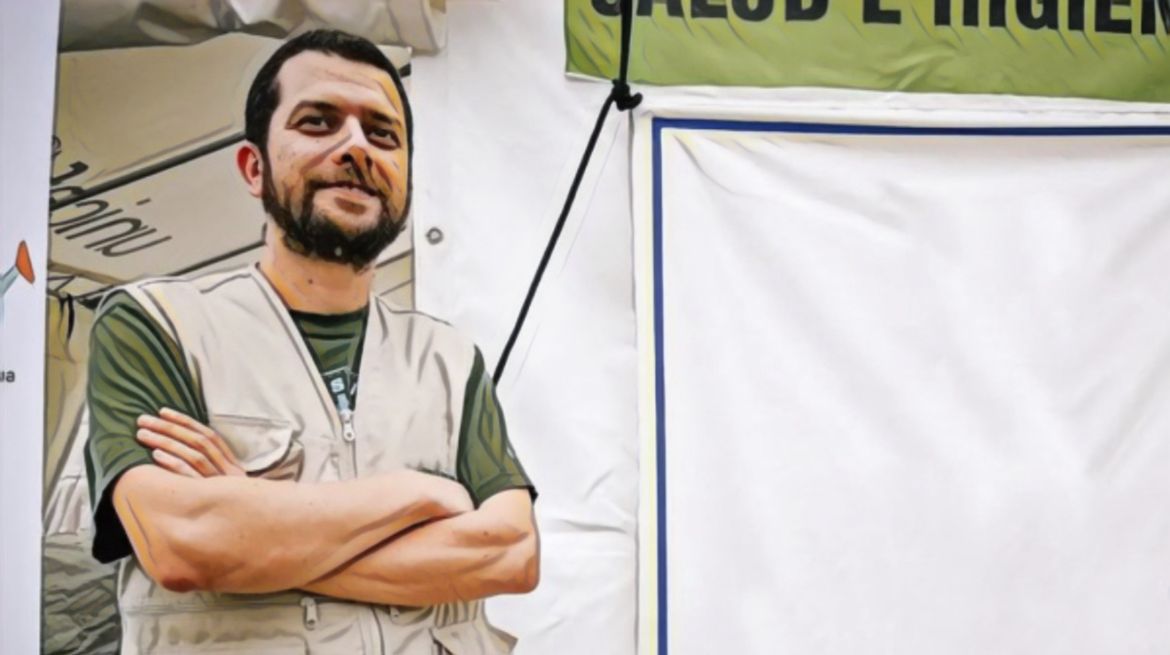
Italian citizen Alberto Trentini, a humanitarian worker of an NGO assisting people with
disabilities as of October 2024, was arrested one month later without a formal indictment but merely a vague accusation of terrorism.
He was subsequently imprisoned in the El Rodeo I facility near Caracas.
A Swiss national, who was also detained and later released through the intervention of his country’s embassy, testified to having met Trentini during their time in prison.
He described appalling living conditions: prisoners isolated from the outside world in a dilapidated and unhygienic environment, allowed only to converse with fellow inmates, attend Mass, or read religious texts.
Outdoor time was limited to 45 minutes, three times per week.
Guards, their faces always concealed, mocked the prisoners and fostered an atmosphere of fear and despair.
Initially, Trentini was held in complete isolation, denied all contact with his family, and Italian lawyers and diplomats were not permitted to reach him.
Only later was he able to speak briefly with his parents for a few minutes on three occasions in May, July, and October 2025.
Trentini’s captivity is emblematic of the Maduro regime’s broader strategy of “hostage diplomacy,” through which it seeks to exert political pressure on foreign governments by using detainees as bargaining tools to seek relief from international sanctions.
Previous Successful Release of Italian Hostages
The current Italian government, backed by efficient intelligence and prudent diplomacy, has achieved notable success in securing the release of journalist Cecilia Sala in Iran, researcher Patrick Zaki in Egypt, and entrepreneur Chico Forti in Florida.
It also successfully negotiated the return of an Italian family of three who had been kidnapped in Mali by an armed group of Islamic extremists; they were freed in February 2024 after nearly two years of captivity and returned home safely.
In May 2025, Italo-Venezuelan Alfredo Schiavo was released after five years of imprisonment in the Helicoide Venezuelan prison.
This operation was made possible through the joint efforts of the Italian government and the Vatican, acting via the Community of Sant’Egidio. Two other Italo-Venezuelan citizens were freed in August 2025, though they remain under travel restrictions within Venezuela.
Prospects for Trentini’s Release
In July 2025, Foreign Minister Antonio Tajani appointed Luigi Vignali, a senior diplomat, as special envoy to closely follow the cases of Trentini and fifteen other Italian citizens detained in Venezuelan prisons.
In October 2025, Trentini was visited in prison by the Italian ambassador.
During the same period, a Venezuelan delegation traveled to Rome to hold talks regarding his case, raising cautious hopes for a potential release.
Freeing Trentini remains a complex challenge for Italy, given its deep-rooted community in Venezuela. Over 100,000 Italian citizens (119,000 were listed in AIRE, the Register of Italians Living Abroad, as of 2018) and more than one million Venezuelans of Italian descent live in the country.
Prime Minister Giorgia Meloni has approached the matter with caution, mindful of potential retaliatory actions against Italians.
Furthermore, as a close ally of the US, Italy finds itself in a difficult position amidst the political conflict between the United States and Venezuela’s communist regime.
Nevertheless, the Italian government continues to demonstrate its ability to protect citizens in distress abroad through a combination of intelligence, diplomacy, and measured political pressure.
There is widespread hope that this case, too, will be resolved successfully and that Alberto Trentini will soon return safely to his family.